

Note: Unfortunately, it looks like we’ll be mostly cloudy early Tuesday. My wife is setting an alarm so she can check and see if there are any breaks in the clouds.
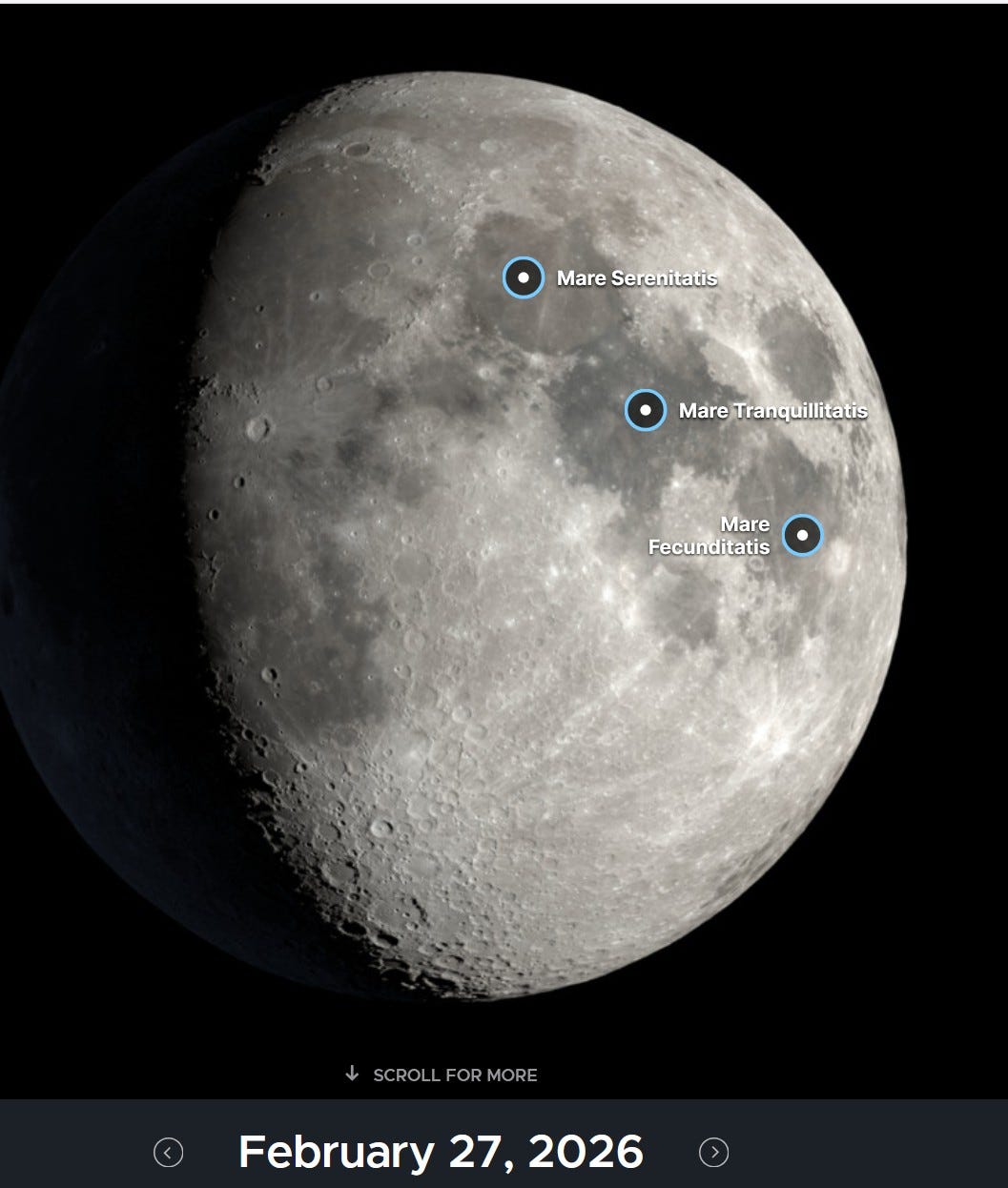
Here’s what the moon looked like on 2/27 (Fri.). It was about 70% full and it’s called a “waxing gibbous moon”. It’s called “waxing” because each night a little bit more of the moon gets illuminated. We’re at 70% now and that will increase to 100% early next Tuesday. A “gibbous” moon means that it’s approximately 3/4ths full. As I type this, the moon is 230,281 miles from the Earth - a little closer than the 238,855 mile average Earth-moon distance.
The bright star just ahead of the moon last night was the planet Jupiter, the “star” of the evening sky right now, high in the east-southeast at twilight and moving from east to west across the sky during the night.
Venus is emerging in our evening sky to the WSW in the evening twilight. It will become prominent in the evening sky this spring/summer. Saturn is also visible to the southwest at twilight and is currently moving closer to Venus. Mars is lost in the glare of the sun at this time.
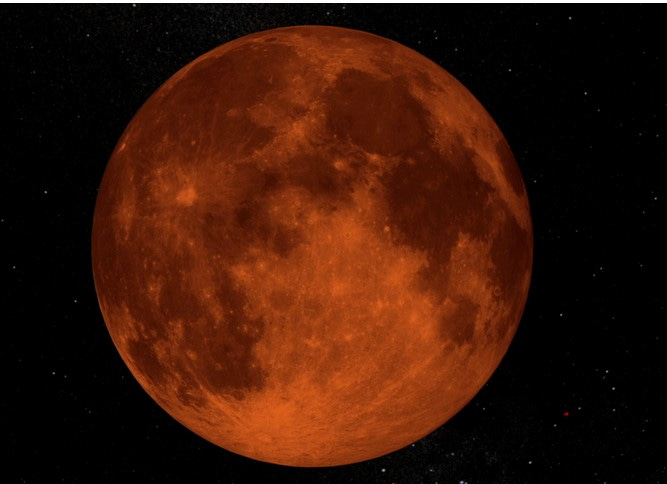
We have a total lunar eclipse early Tuesday morning. The moon will be moving through the shadow of the Earth, giving the moon a dim, reddish appearance. The eclipse starts at 4:50 am (though you won’t notice much difference then). Maximum eclipse is at 6:33 am. By then we’ll be seeing some twilight. The moon sets in the west before the eclipse ends. A full moon with an eclipse is called a “Blood Moon”. The full moon of March is the “Worm Moon”. (pics. from NASA)
Thank you for thst interesting information.
Have a incredible weekend.
Thanks, Bill!